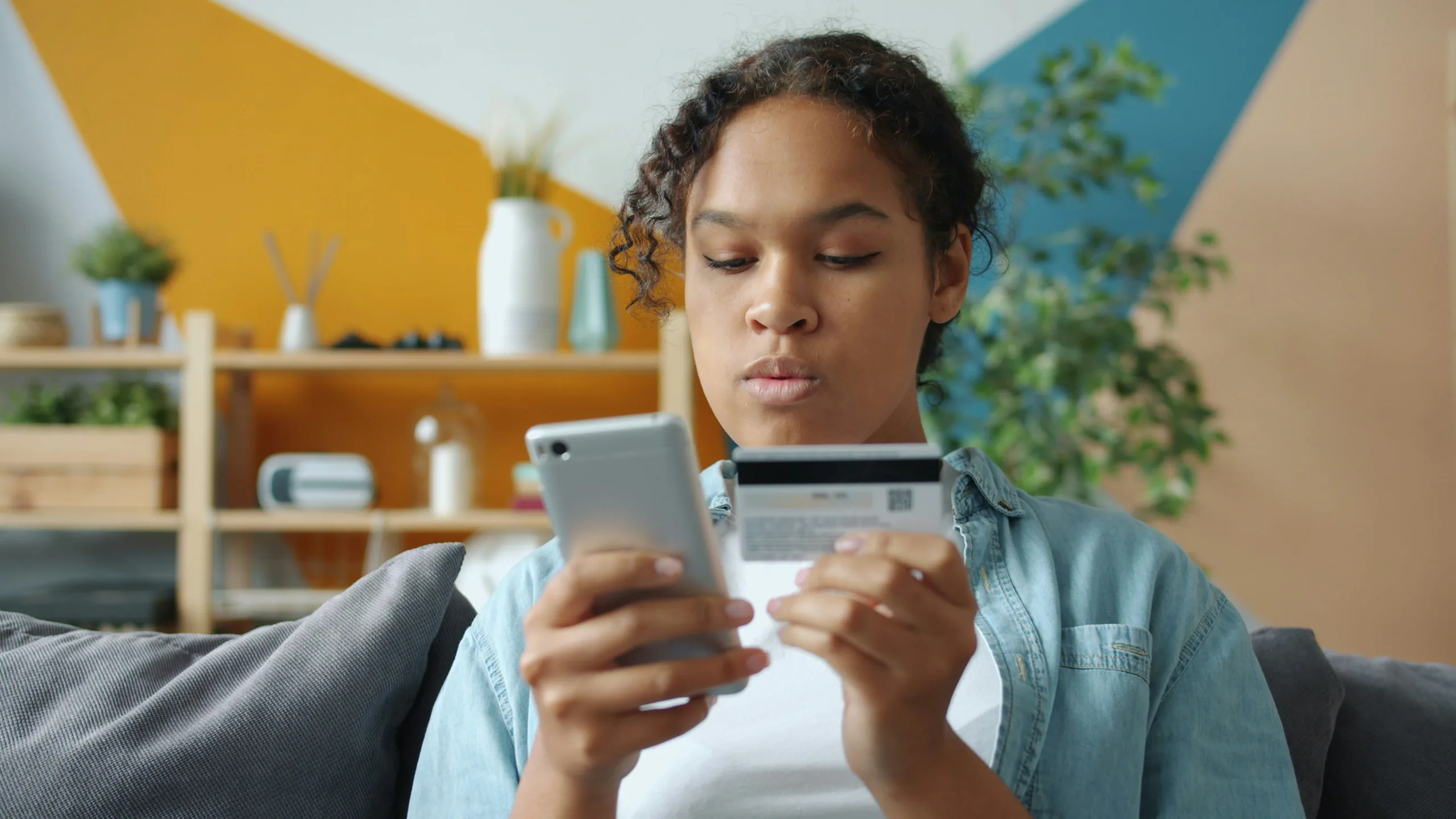
One of the biggest additions to payment methods is AfterPay services. You can choose this service in online shops and even in physical shops. Every day, thousands of people in the Netherlands choose to “pay on account”. This is without even counting the micro-loans offered by AfterPay services. It is fully integrated into society, but what has this brought and, more importantly, what will it bring in the future? What developments has it set in motion and what effect will this have in the coming years?
National politics has gradually become critical of the offer. But an approach is not yet possible. And the criticism is mainly due to the debts that young people increasingly have because of the convenience of these types of services. It has been accepted by various generations, but it also changes the relationship with money. Young people are losing sight of the money they have and, as a result, their overview. For many, money has taken on a flexible function. A figure that goes up and down. However, they check their accounts less often, but they do spend money more easily. Why? The service requires less insight, and when purchases are made via Wero (formerly Ideal), people are quicker to click through.
If we look deeper, we also see that various generations increasingly want AfterPay to come into real life. Easily paying for things and even dinners at a later date. The advantages are well known, as are the disadvantages, but they are ignored. That is also for a later date. Also focused on the “future me”. The advantage can be enjoyed now. This is a development that fits in with the mindset of the younger generations. They are less focused on the long term and see spending money less as a major responsibility.
The market is already responding to this. The old practice of paying on credit is back. And not just in pubs or shops. Theatre tickets, outings and meal deliveries are also among the possibilities. The result is that the community has come to see AfterPay as the norm and no longer wants to do without it. A striking effect is that payment requests from friends and family are also seen as an AfterPay principle and are often paid later than necessary.