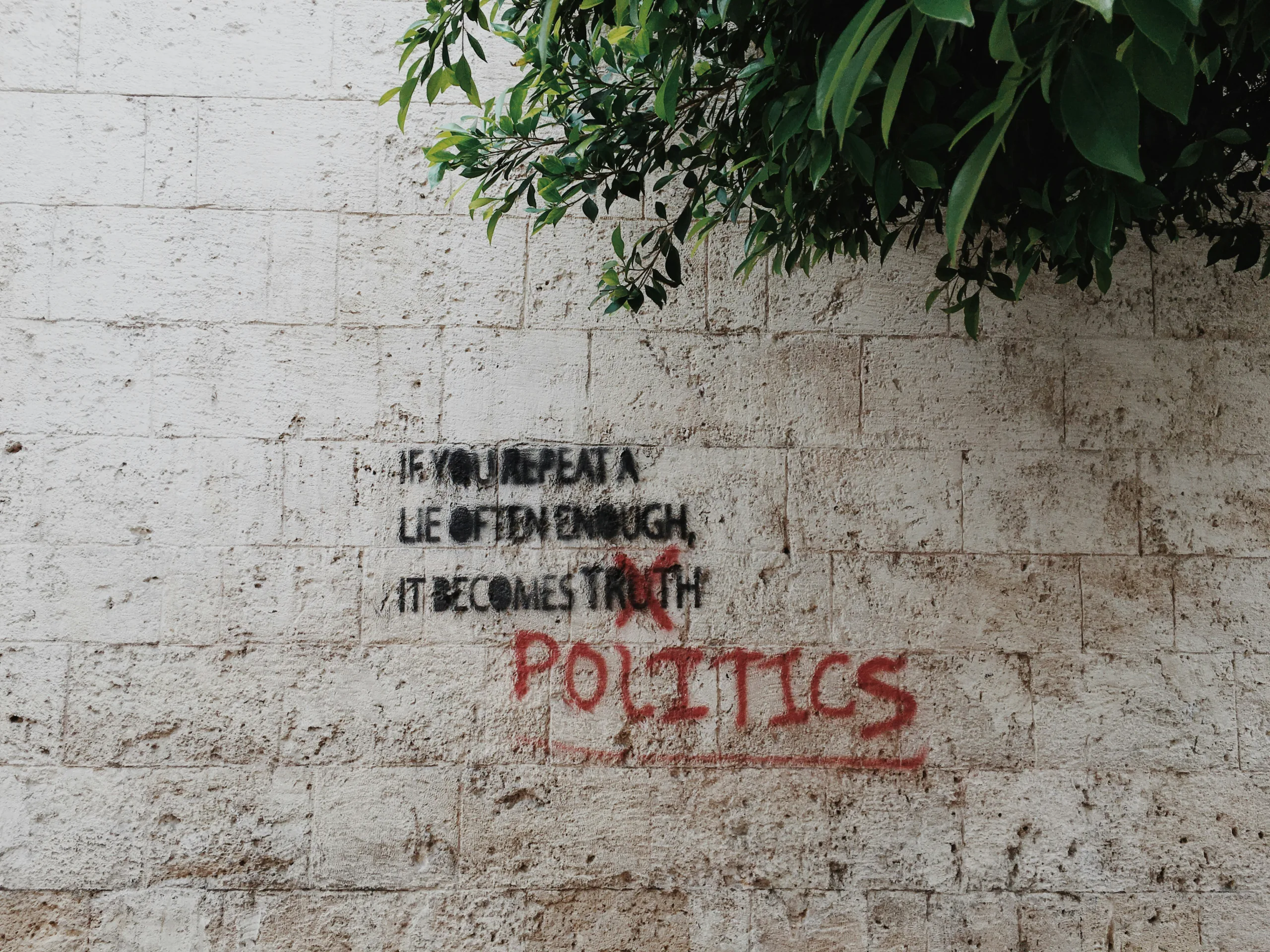

After a new update, you discover new features that secretly add absolutely nothing to your experience on a platform. The creator added these features to optimize everything down to the smallest detail—but not for the user. Instead, they’re designed to boost the creator’s own revenue and push businesses to spend even more money on ads and data. You probably downloaded the app in the first place because it fit your wants and needs so well, and now you end up with a platform that, quietly, isn’t really about you anymore. This process has a name: enshittification. Coined as a term in 2024, by 2026 you can see how users have started to push back.
A platform is often founded from an intrinsic motivation—a “pain” the founders want to solve in the market and in society. With Facebook, this was mainly about staying in touch as students and keeping up with one another. Instagram wanted a place where photos could easily be shared with friends and family, and the founders of LinkedIn felt that paper résumés had had their day. They get to work and build something simple and effective, based on their own ideas and by listening to the needs of their target audience. Early users are highly satisfied, and eventually the mainstream adopts the platform. Growth explodes, and the simple project turns into a serious company. And yes—a company has responsibilities, must compete with others, and, perhaps most importantly, needs strong revenue to keep everything running—literally and figuratively.
And that’s when the bag of tricks comes out. The platform wants more and more users, but it also wants to attract companies and advertisers who can reach and influence those users. After all, users don’t generate money by themselves. So more and more ad blocks appear, while on the other side the platform introduces tactics to make it harder for users to switch to a competitor. Eventually dissatisfaction grows; people complain, and frustration builds. At that point there are two options: allow fewer ads and fewer commercialization tools in the platform, or let users buy their way out of the ads. In 80% of cases, the second option is chosen. A good example is YouTube: ads have gotten longer, and you often have to watch more of them per video. You can pay to remove them by purchasing Premium. Part of the market goes along with this—but what’s also becoming visible is a group that actively pushes back against it.
When you look at trends within enshittification, it’s clear that companies are primarily focused on growth. Shareholders expect it too, so pivoting back toward the user isn’t exactly desirable. Companies do talk about improving things, and some players are actively searching for a healthy balance—though more and more often that ends up involving lawsuits. Users have become so accustomed to these platforms that they also take on a protective role when creators go too far. They force changes, lobby politicians for new legislation, and start petitions. Think of the fight against the algorithm: we want more influence over it and don’t want to be trapped in certain content bubbles. Bad news for advertisers, but good news for users—and maybe even for growth. Because this kind of approach works. More users join precisely when the platform is improved and renewed for them.
So the result of this decline of platforms for commercial gain has developed its own rebellious counterforce: small groups of watchdogs who accept that they’re dependent. They once deleted the platform from their phone, but they come back anyway—only now with demands and actions. Companies are sensitive to this too. Advertisers want to reach audiences in different ways, build ambassadors, and not drive people rabid with commercials. Because that leads to another negative effect: ad blindness—seeing so many ads that users can barely tell the difference anymore and mentally filter them out of their view.
In 2026, the expectation is that enshittification won’t disappear. But the chances are higher that major actions and movements will arise to counter it. At the same time, building a competitor—and scaling it—also seems to be getting easier, based on a real pain point in the market and society. Only to (unfortunately) go through the same cycle again.