
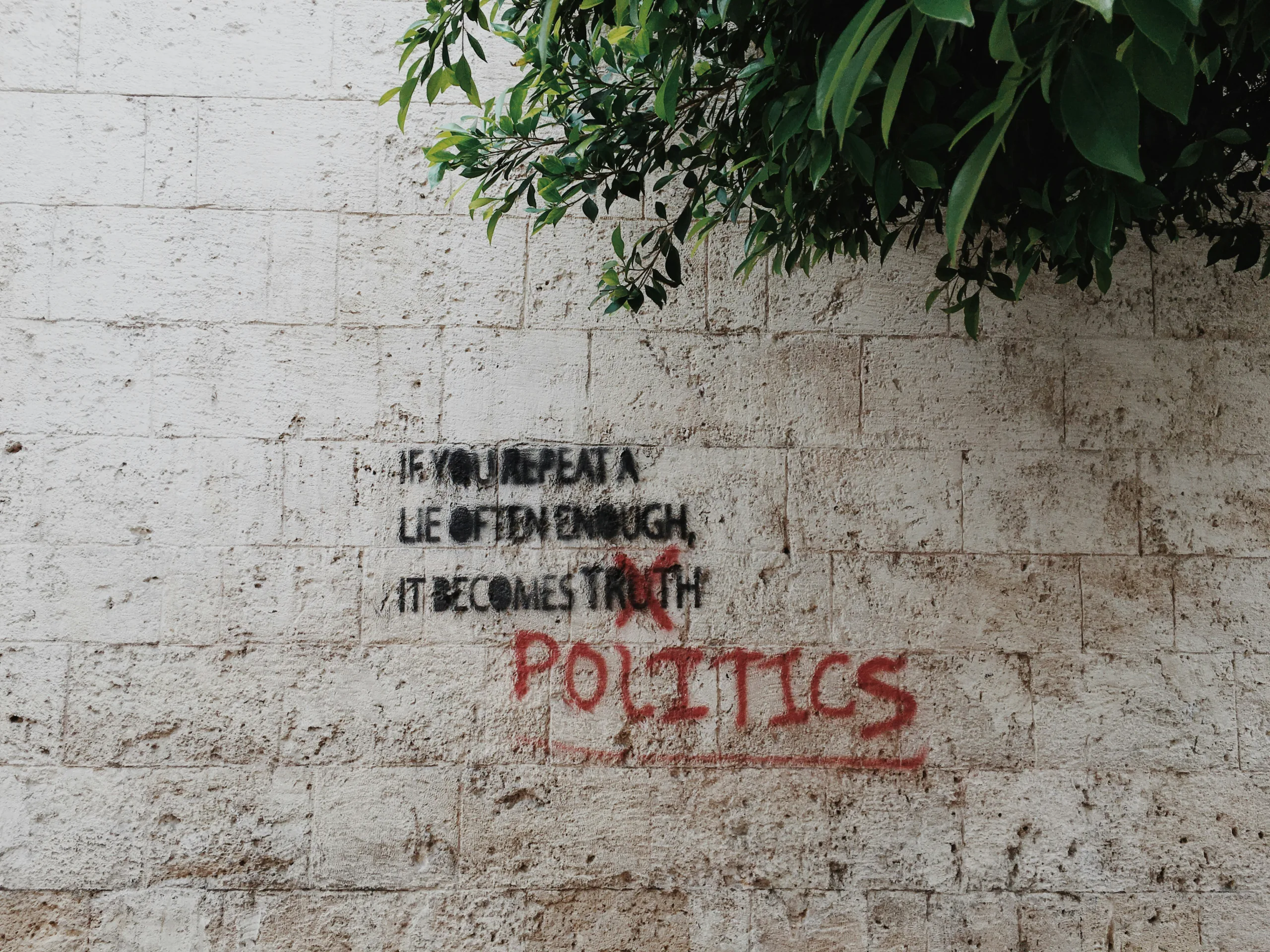
Politics and the trust of the Dutch public form a complicated relationship. Journalists and politicians alike treat trust as the most important indicator of political support. On the one hand, it shows how much backing a politician or party truly has. On the other hand, it is also their greatest concern. Declining trust, according to both media and political actors, becomes visible in public dissatisfaction and sometimes even in threats toward representatives. Trust is difficult to measure. It is subjective and depends on opinions and polling data. Yet research does show patterns in what helps to build it. Based on current developments, we can outline several ways in which politics may restore and strengthen public trust.
In Dutch there is a saying that trust takes a long time to build and can be lost very quickly. In practice this often proves true. Companies experience it constantly. One mistake can cause an immediate drop in market share. Even after apologies and serious attempts to correct the problem, consumers often remain skeptical. This is closely connected to expectations. Brands create promises that are slowly weakened over time or sometimes broken all at once.
Politicians have gradually adopted a similar approach. During campaigns they often communicate clear outcomes: if we govern, this will happen. Within a parliamentary democracy those promises can rarely be fulfilled exactly as stated. Coalitions, negotiations and compromises make certainty impossible. At the same time voters now receive information from many different sources and therefore reach that conclusion more quickly themselves.
Creating realistic expectations is therefore an essential starting point. Expectations should match the political reality and should be accompanied by clear explanations of how major decisions ultimately benefit citizens. Increasingly, voters view politics almost as an investment. Casting a vote becomes comparable to placing trust in a party to produce results. If expectations are high but the perceived benefit does not follow, trust disappears.
This makes the position of politicians complicated. The House of Representatives mainly performs a supervisory function. It identifies problems, debates them and monitors government policy. That role does not always align with the public’s expectation of visible results. Politicians have demanding schedules, yet this is difficult for citizens to observe. The public image often becomes one of endless meetings and comfortable working conditions.
Part of this comes from political organization itself. Campaigns revolve around a recognizable central figure, but once elected, a large group of members of parliament works on many separate topics. Voters move from following one familiar person to trying to follow many individuals. This leads to confusion and eventually disinterest. The party leader therefore becomes crucial. That person must function as a clear spokesperson who explains what the party has done and why. The leader becomes the consistent face that connects separate activities into a coherent story.
Transparency is therefore essential. Citizens want insight into how their trust is being used. They want to understand how decisions are made and how political processes develop from beginning to end. They do not need every procedural detail, but they do need a clear explanation of the reasoning behind actions. Political decisions sometimes involve difficult trade offs that do not immediately produce visible benefits. In those cases it is important to explain what the long term advantages are.
This approach brings politics closer to citizens while maintaining a healthy relationship between representatives and voters. Both sides have responsibilities and both require proper information. Instruments such as referendums are often discussed as solutions, but for many citizens the core issue is simpler. People primarily want to see results, clear communication and a consistent explanation of how choices are made. Delivering tangible outcomes, communicating openly and providing a transparent line of decision making can significantly increase public trust in politics.